
Blue Heron
“Blue Heron” isn’t an easy watch, but it’s an impactful and important one.


Film Yap is a reader-supported publication. To receive new posts and support my work please consider becoming a free or paid subscriber.
Most families have a member dealing with mental illness. Mine definitely does. Such is the subject of “Blue Heron” (opening at Kan-Kan Cinema & Bar on Friday, May 8), the powerful and semi-autobiographical directorial debut of Canadian filmmaker Sophy Romvari.
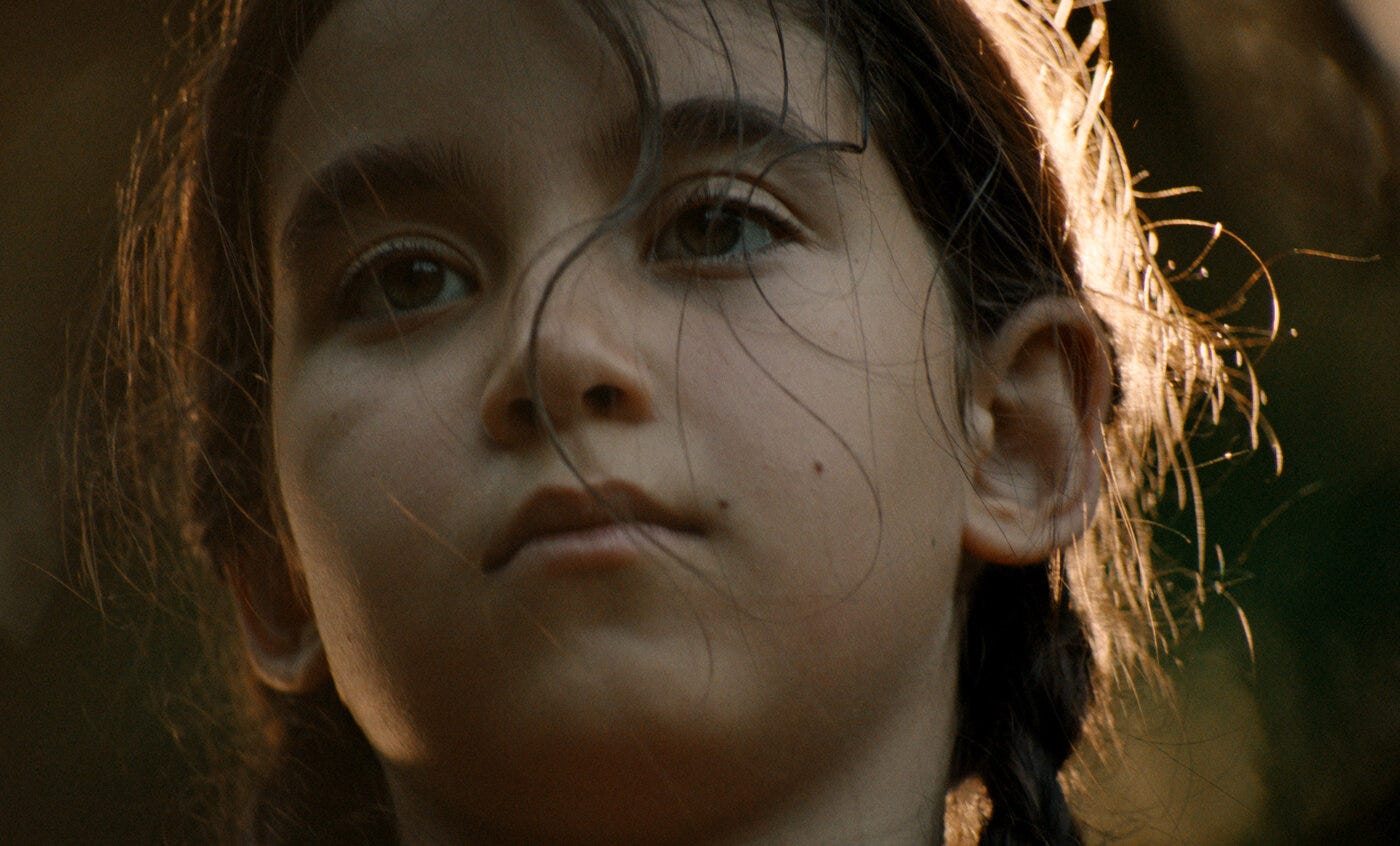
It’s the late 1990s and a Hungarian family of six moves into a house on Vancouver Island. There’s Mother (Iringó Réti) and Father (Ádám Tompa), eldest son Jeremy (Edik Beddoes), middle sons Henry (Liam Serg) and Felix (Preston Dabble) and baby of the family daughter Sasha (Eylul Guven).
Jeremy is the result of one of Mother’s previous relationships, but Father sees him as his son just as much as any of his biological children. This dynamic makes Jeremy’s behavior all the more difficult. He’s got Oppositional Defiant Disorder and is unable to stop putting himself or his family in harm’s way.
“Blue Heron” isn’t an easy watch, but it’s an impactful and important one. Romvari employs techniques somewhat reminiscent of the ones employed by Terrence Malick in “The Tree of Life” to convey that this story is being told from the perspective of a child. The film also wrestles with the power of memory and how certain incidents mark us for the rest of our lives.
The picture takes a narrative turn in its final third that will take some viewers aback, but I feel as though this was a necessary and interesting move that somehow strangely makes the proceedings simultaneously more vérité and fantastical at the same time.
The actors do a wonderful job with the material and really sell the notion of loving someone and being completely incapable of helping them. I sympathize with Mother and Father and with Jeremy as well, but I empathize with Sasha. I have to imagine making this was therapeutic for Romvari as it was therapeutic for me to watch it.