
The Alabama Solution
An Oscar-nominated, old-school investigative documentary about appalling conditions in state prisons that uses cell phone footage collected over a decade.


Just a quick review today. I’m still working to see all the Oscar-nominated films prior to the awards ceremony, and “The Alabama Solution” is the next-to-last of the documentary features. Look for reviews of the documentary shorts and other short films later this week.
In my last review in this category, I expressed some discomfort with a newer style of documentary that seems as much about the filmmaking process as the subject. As a reporter by background and temperament, my preference is more closely attuned to journalistic exploration of a topic.
“The Alabama Solution” is a prime example of old-school documentary filmmaking, something closer to investigative journalism that portraiture. It offers a harrowing look at appalling conditions inside the state’s prison systems. The situation goes beyond things like raw sewage flooding the hallways or terrible food: people are dying, even being murdered, and nobody seems to notice or care.
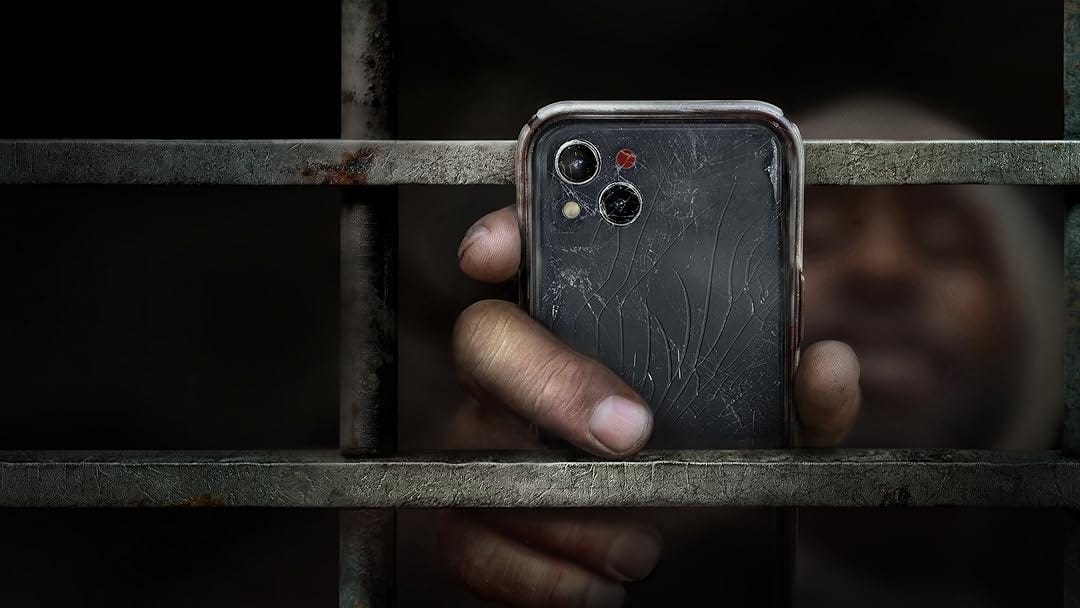
What makes it an extraordinary doc is that it doesn’t just offer testimonials from former prisoners or documents from suspicious prisoner deaths. (Though it has those, too.) No, the story comes from straight inside the prison themselves, as the men (it’s all about male prisoners) use smuggled cell phones to record themselves and what they see.
It’s one thing to talk about the hundreds of deaths the Alabama prisoners experience. It’s quite an other to see the bodies carried out on gurneys with terrifying regularity. Or witness the blood smears on the floor minutes after guards beat one of the chief whistleblowers nearly to death and dragged him out of his cell.
Directors Andrew Jarecki (a previous Academy Award nominee for “Capturing the Friedmans”) and Charlotte Kaufman spent years in contact with these men, gathering a decade of their video. Over time, they formed relationships built on trust that they would be honest messengers of their truth.
“The Alabama Solution” is all the more powerful because the filmmakers don’t substitute their voice for their subjects, or express their own anger over such egregious human rights violation. By presenting the material in a dispassionate way, and letting the prisoners and advocates articulate their own emotions, it only makes the lesson more damning.
Of course, credit must go to the men themselves, nearly all Black or brown, who dared to speak out against an unjust system and risk punishment ranging from loss of privileges, years spent in solitary confinement and brutal beatings from guards. They include Robert Earl Council, Melvin Ray and Raoul Poole.
Another sobering story thread follows Sandy Ray, the elderly, disabled mother of a prisoner, Steven, who was stomped to death by guards. The photo of Steven’s horribly pulped face, taken surreptitiously by his brother, is reminiscent of Emmett Till.
This is a tough movie to watch, but one urgently needing to be seen. We like to think that people in prison deserve to be there, and justify that the conditions aren’t supposed to be pleasant. This is a whole other vision of hell on earth, places where punishment is arbitrary and death an entirely likely possibility — particular if you dare to speak out.
“The Alabama Solution” is available to stream on HBO Max.